What Is Lichen Sclerosus: Symptoms, Causes, and Diagnosis
Skin changes can occur in delicate areas of the body. They develop gradually and are sometimes easy to initially overlook.
When signs start to impact comfort and raise questions, it’s time to seek professional guidance.
One condition to be aware of during menopause is lichen sclerosus. While not considered life-threatening, it shouldn’t be ignored.
If you are looking for an answer to, “What is lichen sclerosus,” you have come to the right place.
Overview: Exactly What Is Lichen Sclerosus?
This refers to a long-term inflammatory condition.
Researchers have not identified a single cause. Instead, several influences may contribute, including immune system activity that targets the body’s own cells, hormonal changes that affect skin integrity, genetics, and irritation/minor injury.
Common symptoms include:
- Pale or white patches of skin
- Persistent itching
- Burning or soreness
- Fragile skin that tears easily
- Small cracks or the formation of fissures
- Discomfort with urination and bowel movements
Medical Strategies: Diagnosis and Treatments That Help Control Symptoms
Now that you have an answer to, “What is lichen sclerosus,” what can you expect at your provider’s office?
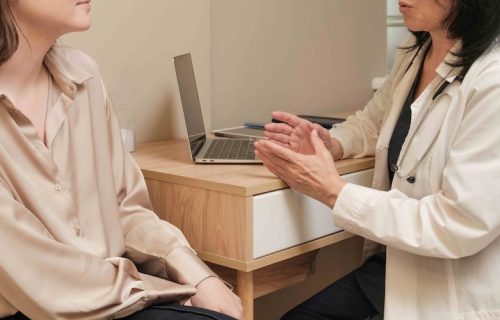
The diagnostic process begins with a clinical evaluation that focuses on the appearance of the skin and pattern of symptoms.
A qualified practitioner typically reviews medical history, asks about ongoing changes, and examines the affected areas for characteristic color and texture differences.
In some cases, a small tissue sample may be taken to confirm a diagnosis and rule out other conditions that can resemble it.
Lichen sclerosus is chronic and currently does not have a permanent cure, yet it can be managed with the right plan in place.
Care aims to reduce irritation, limit progression, and maintain comfort through medical and non-medical care.
Prescription topical therapies to calm inflammation alongside careful daily habits are often recommended.
Quality of Life Focus: How to Live Well With This Condition
What you do day in and day out influences comfort and helps control irritation.
Lichen sclerosus and diet are thought to be closely related, as some individuals find avoiding certain foods and eating a balanced diet help regulate internal responses linked to inflammation.
Additional habits to consider include:
- Choosing loose, breathable fabrics to reduce friction
- Selecting mild, fragrance-free cleansing products
- Gently patting skin dry after washing instead of rubbing
- Avoiding tight clothing that traps heat or moisture
- Following a consistent hygiene routine without excess washing
- Allowing time for rest and stress control
- Discussing any changes in symptoms with your provider
Discover Tailored Solutions for Lichen Sclerosus at The Menopause Center
With a location close, the high quality healthcare you deserve is never far away, with attentive professionals ready to help.
Call us at 703-991-6806 to schedule your appointment now!