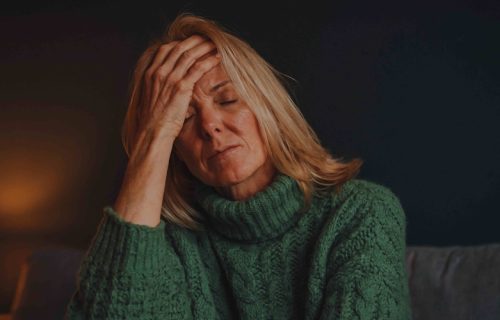
Coping With Hot Flashes and Night Sweats During Menopause
A sudden wave of heat without warning, damp sheets that ruin a good night’s sleep—sound familiar?
These reactions certainly leave the sense that the body is speaking its own language! And it is.
Changes that arrive during menopause bring sensations many recognize yet rarely fully understand.
Coping with hot flashes and night sweats during menopause becomes less about naming these moments and more about noticing their cause and how to manage them.
Understanding Menopause and Symptoms
This transition is natural and marks the point when menstrual cycles permanently stops, signaling the end of the reproductive years.
It occurs as the ovaries produce less estrogen and progesterone, hormones that regulate the cycle and support many functions throughout the body.
As this internal process unfolds, many women notice a warm sensation that spreads through the upper body, often accompanied by flushed skin and a quickened heartbeat. These are commonly called hot flashes, and they can appear any time during the day unexpectedly.
At night, a similar feeling may lead to heavy perspiration that disrupts rest, often referred to as night sweats. Sleep feels broken, energy can dip, and mood fluctuates.
Episodes of hot flashes and night sweats vary widely, yet they share a common link to hormone fluctuations and the body’s effort to regulate temperature.
Coping With Hot Flashes and Night Sweats During Menopause
A thorough assessment by a qualified specialist lays the groundwork for finding the most suitable way to manage menopause-related concerns.
By reviewing health history, current experiences, and any underlying conditions, they are able to identify solutions that fit individual needs, which may include:
Medical Treatments
Prescription options are hormone-based therapies that address declining estrogen levels, as well as non-hormonal medicines that target temperature regulation, sleep disruption, and mood balance.
Providers may also recommend localized therapies, such as vaginal creams or rings, for specific issues.
Each path carries its own considerations. Continued evaluation ensures effectiveness and safety.
Lifestyle Adjustments
Daily habits also play a meaningful role in coping with hot flashes and night sweats during menopause.
Regular physical activity helps maintain energy and supports restful sleep.
Your practitioner may offer advice regarding what to eat as well. Meals that include fruits, vegetables, whole grains, lean proteins, and calcium-containing choices are incredibly beneficial to overall health.
Limiting caffeine, spicy dishes, and alcohol helps keep hot flashes under control.
Turn to The Menopause Center and to Give Hot Flashes and Night Sweats the Cold Shoulder!
Our team can help make menopause a stage worth embracing, and not one of confusion or struggle.
Contact us today at 703-991-6806 to schedule your visit in Tysons Corner and take the next step toward feeling your best.