Personalized Hormone Care for Menopause Symptoms
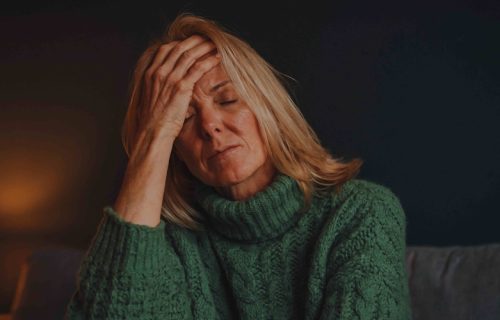
Menopause brings plenty of physical changes, but many women are surprised by the emotional ones. If you’ve noticed you’re more anxious than usual, feeling overwhelmed by small things, struggling with low moods, or simply not feeling like yourself, you’re not alone.
Hormonal changes during perimenopause and menopause can affect both your body and your emotional well-being. The good news is that personalized hormone care for menopause symptoms can help address these symptoms and improve your overall quality of life.
While mood changes are common during menopause, they should never be dismissed as something you simply have to live with. With the right care, many women find meaningful relief and begin feeling like themselves again.
Why Menopause Can Affect Your Mood
As estrogen and progesterone levels fluctuate, they influence chemicals in the brain that help regulate mood, sleep, memory, and emotional balance. These hormonal shifts may contribute to anxiety, irritability, depression, mood swings, difficulty concentrating, and feelings of emotional exhaustion.
At the same time, menopause often coincides with other major life events, such as career changes, aging parents, children leaving home, or increased personal responsibilities. These additional stressors can make emotional symptoms feel even more intense.
Because symptoms such as depression and anxiety may also be related to thyroid disorders, chronic stress, or other medical conditions, it’s important to receive a comprehensive evaluation instead of assuming hormones are the only cause.
How Personalized Hormone Care for Menopause Symptoms Can Help
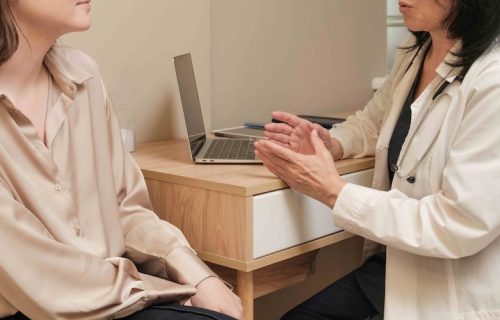
Every woman experiences menopause differently, which is why individualized treatment is so important. Personalized hormone care for menopause symptoms begins with a detailed consultation that reviews your medical history, current symptoms, menstrual history, medications, lifestyle, and overall health.
Depending on your individual needs, your healthcare provider may recommend hormone therapy if it’s medically appropriate. For many women, hormone therapy can help reduce hot flashes, improve sleep quality, stabilize mood, and enhance overall well-being.
For women who are not candidates for hormone therapy or who prefer other options, non-hormonal treatments, lifestyle modifications, nutritional guidance, and stress-management strategies may also play an important role in improving emotional health.
Rather than focusing on just one symptom, personalized care addresses the complete picture to develop a treatment plan tailored specifically to your goals.
Small Lifestyle Changes Can Make a Big Difference
Medical treatment is only one part of menopause care. Daily habits also have a meaningful impact on emotional well-being.
Regular physical activity, balanced nutrition, quality sleep, mindfulness practices, and maintaining social connections can all support emotional health during menopause. Even small improvements in these areas may help reduce stress, improve energy levels, and enhance resilience throughout the menopausal transition.
Menopause care can also include identifying personal triggers that may worsen anxiety, irritability, or low moods. Keeping track of sleep patterns, stress levels, nutrition, and symptom changes can help women better understand what affects their emotional health and give their provider valuable information for fine-tuning treatment over time.
Routine follow-up appointments also allow your provider to monitor your progress and adjust your treatment plan as your hormonal needs continue to change.
You Don’t Have to Navigate Menopause Alone
Feeling anxious, emotional, or overwhelmed during menopause doesn’t mean you’re losing yourself — it means your body is going through significant hormonal changes. With the right support and personalized treatment plan, these symptoms can often be managed successfully.
If you’re looking for personalized hormone care for menopause symptoms, Tysons Gynecology provides compassionate, individualized care for women experiencing mood changes, depression, anxiety, and other menopause-related symptoms. The experienced team works closely with each patient to create evidence-based treatment plans that support both physical and emotional well-being.
Call 703-991-6806 today to schedule your consultation and take the first step toward feeling healthier, happier, and more like yourself again.